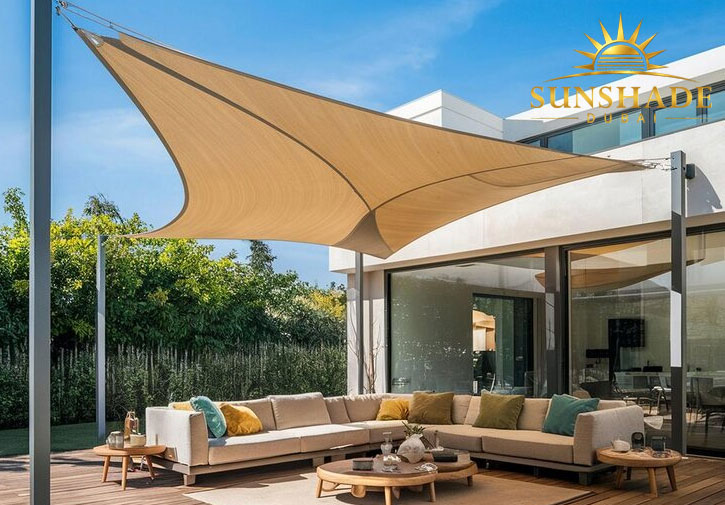
Outdoor areas can look spacious and inviting, yet feel hard to use for long because direct sun, glare, and heated surfaces can make normal routines feel rushed. If a patio or entrance gets avoided at midday, a carefully planned outdoor sun shade can help the space feel usable for longer.
Outdoor usability is not a design buzzword, it is the practical question of whether a space supports everyday activities without constant discomfort. For planning, it helps to picture a normal week and note where waiting, walking, and sitting actually happen. If shade supports those touchpoints, the space often feels simpler to use.
Shade can influence usability because it changes what happens at eye level and underfoot, including glare, surface warmth, and how people choose routes. It can also affect whether outdoor furniture, door handles, pushchair grips, and handrails feel comfortable enough for normal use.
When a shade structure is planned around daily behaviour, the improvement often shows up in small moments that repeat all week. These are the moments that decide whether a space gets used or ignored.
Common “high-impact” areas include:
Good shading tends to feel calm and open, rather than heavy or enclosed, because the goal is to cover without crowding. Comfort improvements are usually linked to how shade manages light and exposure, while still keeping airflow and visibility.
Glare can affect practical tasks such as checking steps, reading a phone screen, or seeing facial expressions clearly during a conversation. When direct sun is filtered, outdoor spaces can feel easier to navigate, especially near reflective paving, glass, or light-coloured walls.
Situations where glare control can matter include:
Shade does not change the outdoor climate, yet it can reduce the intensity of direct sunlight on skin and surfaces. That change can make short outdoor stays feel less tiring, which can support routine uses such as outdoor breaks, waiting, and staff movement between buildings.
Shaded footprints often create a natural signal of where to sit and where to walk, even when the area is open-plan. This helps outdoor areas feel organised, because people tend to follow the most comfortable path and gather where conditions feel stable.
Zones that shading can help define include:
There is no single shade format that fits every space, because outdoor layouts vary in shape, anchoring options, and clearance needs. Usability improves when structure type matches the way the area is used every day, not only how it looks in a photo.
Tensioned fabric systems are often considered for wider areas where column placement needs careful planning, such as courtyards and larger patios. These systems typically rely on stable anchor points and correct tensioning so the fabric holds its intended form and does not feel distracting overhead.
A shade sail is commonly associated with geometric forms that can be layered to cover spaces that are not simple rectangles. This approach can suit patios, courtyards, and activity zones where visual lightness matters and where coverage needs to follow an unusual footprint.
For day-to-day usability, sail planning often considers edge finishing, water direction during short rain events, and how tension lines align with the available anchors. Without those details, the sail can become a visual feature that does not deliver consistent cover.
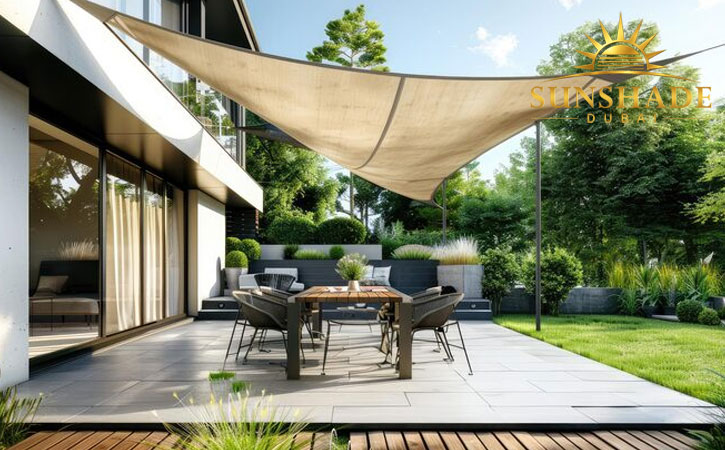
Fixed-frame shades are often considered where a clear rectangle of cover is needed, such as a walkway run or a seating row that must stay consistent. A defined frame can also make it simpler to plan lighting positions, clearance heights, and uniform “shadow edges” that do not cut across seats.
Car parks are outdoor spaces that must work quickly and safely, especially during school runs, shift changes, and visitor arrivals. A car parking sun shade can support usability by making short stop-and-go moments feel calmer, while also improving comfort for people moving between cars and entrances.
Ways shaded parking can support everyday routines include:
For commercial sites, shaded bays can also support a more organised look, because the covered footprint can naturally guide where vehicles align and where pedestrians should walk.
Material selection influences how a shaded zone feels underneath, how much light passes through, and how much routine cleaning is needed. Many projects combine fabric and structural choices to match the activities under the shade.
Common shading fabrics include breathable mesh styles and coated membrane options that can be chosen for different light-filtering behaviour. In practice, the right fabric is often the fabric that suits the activity below, whether that means brighter, softer light for walkways or deeper shade for seating.
A second outdoor sun shade in the same property can also be planned with a different colour or fabric type so each zone feels appropriate, rather than forcing a single look across every space.
Posts and frames are often specified in materials such as galvanised steel, aluminium, or stainless steel, with finishes chosen to suit exposure and desired appearance. Detailing matters because dust and water tend to collect in between the lines. Simpler edges as well as clean junctions can support easier upkeep.
Parking shades need to keep bays functional while allowing clear sightlines and safe movement. A second car parking sun shade row can be planned to match bay modules and pedestrian routes, which can help reduce confusing shadow breaks across lane markings.
Outdoor usability can improve when shade planning focuses on real movement, real pauses, and the hours when the space is expected to work. With sensible layout decisions, shade structures can support comfort, reduce glare, and create clearer zones without changing the character of the property.
Sunshade Dubai provides custom shade sail solutions for outdoor areas and parking spaces, with design, fabrication, and installation support that keeps coverage practical, tidy, and fully aligned with the site.
A dedicated shade-structure team can assist from early layout planning through fabrication and installation, keeping communication clear and timelines realistic for the site conditions.
Sunshade Dubai is a UAE-based sun shade specialist focused on practical outdoor coverage for residential and commercial settings. Each project is approached with attention to layout, anchoring, and finish details, so shaded areas stay functional, tidy, and comfortable for daily routines across outdoor spaces for villas, workplaces, schools, and sites.
Have questions or ready to get started with our Goldman Sunshade services? Our team is here to help! Whether you're seeking.
 Call us
 info@sunshadedubai.ae

