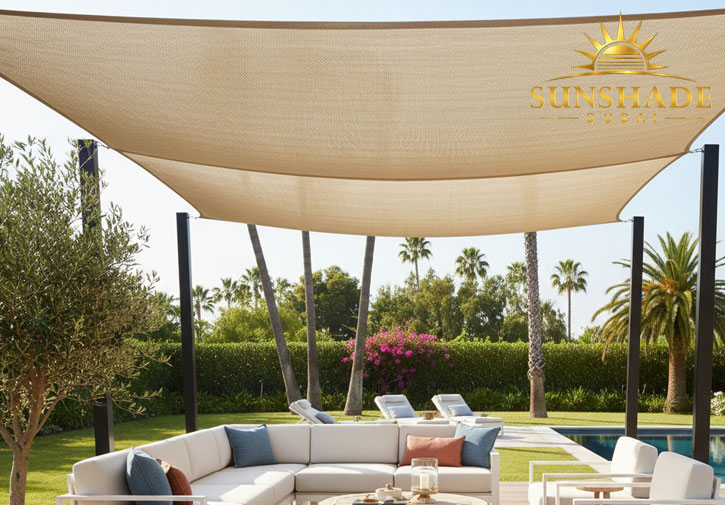
Outdoor shade comes in many shapes and each one suits a different space. A café terrace needs something different from a villa driveway or a wedding lawn. When home owners or businesses want to make good use of their outdoor areas, installing high-quality and functional shades often make sense.
This blog walks through the main types of sunshades that people use across the UAE. Readers will learn how the different types of outdoor sunshade Dubai solutions work and where each one fits best.
Every section covers the basic build, common uses and a few points to check before choosing. The aim is to help homeowners and businesses match the right cover to the right space.
Outdoor shades come with several benefits. Just when the harsh sun rays hit the outdoor area and make it uncomfortable for you or your guests to sit, installing a shade can solve this frustration. It does not let you abandon functional spaces of your property. It gives you complete control over your exterior environment.
The prominent benefits include-
The simplest cover needs no building work at all. Umbrellas and Parasols stand on their own base and move wherever shade is needed.
A pole holds a fabric canopy above a weighted base or a ground fixing. The canopy opens and closes by hand or with a crank. Cantilever models keep the pole to one side so nothing blocks the seating below.
Café tables, pool decks, small gardens and balconies suit these covers. Staff or owners can reposition them as the sun moves across the day. Size and base weight of the Umbrellas and Parasols matter since a larger canopy needs a heavier base.
A free-standing cover works well for small groups but it has clear limits:
Fixed structures like tensioned fabric shade cover more ground. Shade sails are a popular first step since the posts and fabric are simple to install.
A sail is a piece of fabric that stretches between posts or wall fixings. Triangles and rectangles are the common shapes. The corners sit at different heights so rainwater runs off and the fabric stays tight.
PVC and HDPE membranes are common choices in the UAE. Each material gives a different result:
Villa courtyards, café terraces, play areas and driveways all suit sails. Custom sizing handles odd corners and curved gardens. Several shade sails can overlap for a layered look and wider coverage.
A wall gives a cover strong support. Awnings use that support to shade doors, windows and seating areas.
The frame holds the fabric at a gentle slope so direct sunlight stays off the space below. Property owners usually pick from two styles:
Balconies, restaurant frontages, villa terraces and shop entrances all suit wall-mounted covers. Café owners use them to keep outdoor tables comfortable at lunchtime when the sun sits high.
Colour and fabric choices let the cover match the building facade. Wall strength and projection depth need a check before any order. A deeper projection covers more floor area but needs stronger fixings.
Some spaces need a solid roof line like pergolas and canopy structures as these designs give that with a firm frame.
Aluminium pergolas and canopy do not rust like steel so the frame needs very little upkeep. The metal is light yet strong and suits patios, gardens and terraces. Coated finishes come in many colours and help the structure match window frames and doors.
Car park covers protect vehicles from direct sun. Sail-style covers stretch fabric over posts to shade several bays at once. Frame-based canopies use a fixed structure for a more solid look. Villa driveways, offices and retail car parks all use them.
Post positions decide how easily cars move and doors open. Drainage and clearance around walkways deserve a check before installation. A pergola can pair with a sail when flexible coverage is needed.
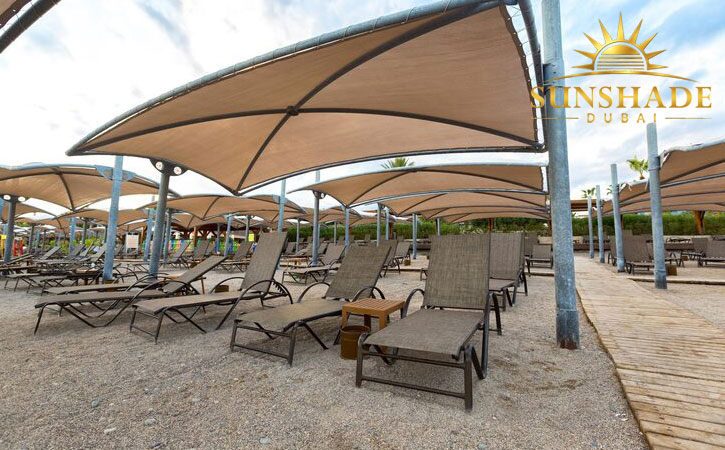
Bigger areas call for bigger fabric. Tensile membrane structures stretch a membrane over a frame to cover wide spaces with few posts.
The frame and cables hold the membrane in tension. That tension keeps the surface smooth and curved shapes help water run off. Anchor points carry the load so their position and strength matter as much as the fabric.
A PVC tent uses a strong frame covered with PVC fabric. The material of Tensile membrane structures is durable and wipes clean quickly after dust or rain. Weddings, exhibitions, corporate gatherings and outdoor markets all use these tents.
Guest numbers, furniture layout and vehicle access decide the footprint. Good planning models the anchor points, cable angles and drainage before fabrication starts. That step keeps the finished cover neat and the tension even.
Each type above solves a different problem. Free-standing covers suit small groups and movable seating. Sails cover open gardens. Wall-mounted covers shade entrances and balconies. Pergolas and car park canopies add a solid roof line. PVC tents and large membranes handle events and wide spaces. The best choice depends on the size of the area and the way people use it through the day.
Sunshade Dubai manufactures, supplies and installs sails, wall-mounted covers, aluminium pergolas, car parking shades and PVC tents across the UAE. Customers can book an on-site visit for exact measurements, ask for custom designs and get maintenance support after installation. Let the expert sunshade manufacturers in Dubai help you plan the right cover.
The author aims to show that every shade type has a clear purpose. Size, sun direction and daily use decide which one works best. This post explains each type in plain language so that homeowners and businesses can compare the options and plan with confidence.
FAQs
What separates a sail from a wall-mounted cover?
A sail stretches between posts and can stand in an open garden. A wall-mounted cover attaches to a building and shades the area beside it. Both these solutions provide sufficient shade as well as weather protection.
Do free-standing umbrellas suit windy rooftops?
The free-standing umbrellas are not suitable for open and windy rooftops. These shades can tip over, break or blow away. They suit sheltered corners better. A heavy base helps and users should close the canopy in strong gusts.
How does a car park canopy differ from a pergola?
A car park canopy covers vehicle bays and keeps access clear. A pergola frames a patio or garden and works as an outdoor room.
Which fabrics cope best near the coast?
Coastal sites need fabric that rinses clean and hardware that resists corrosion. PVC or HDPE membranes with coated frames are common choices as they are durable and can also survive the wind.
Can a PVC tent work as a covered sales area?
Yes, PVC tents can work exceptionally well as a covered sales area. Commercial sites use these tents for markets, exhibitions and temporary stalls that need cover without a permanent building.
Have questions or ready to get started with our Goldman Sunshade services? Our team is here to help! Whether you're seeking.
 Call us
 info@sunshadedubai.ae


